How to Price Handmade Products (Without Guessing)
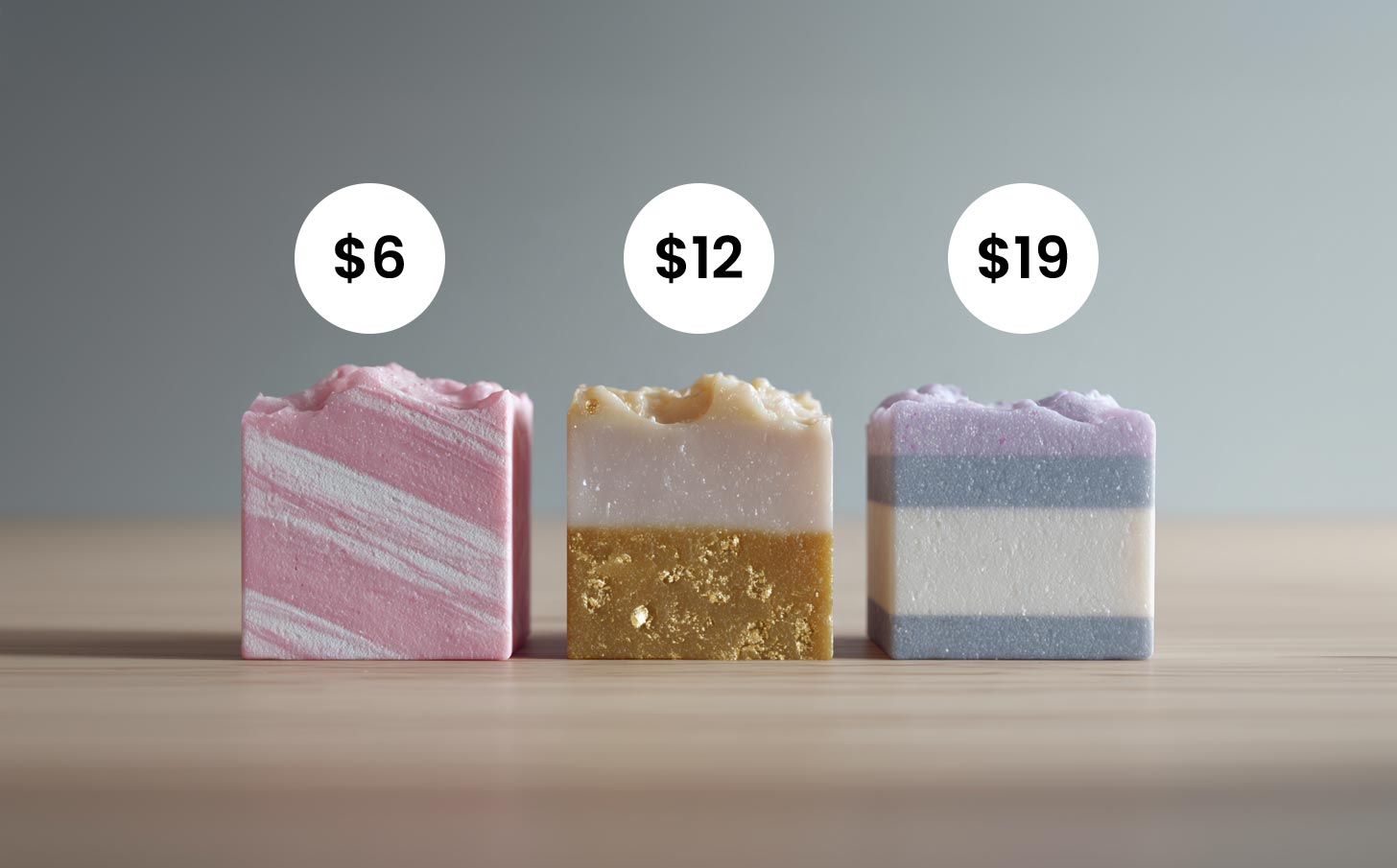
Pricing handmade goods is tricky. You’re not just selling a product—you’re selling your time, skill, and story. The goal is to find a price that covers your costs, reflects your craftsmanship, and still sells consistently.
Here’s a simple way to think about it.
1. Start with your real costs
Before anything else, you need to know what it actually costs to make one item.
Include:
- Materials (wax, oils, leather, packaging, etc.)
- Labor (your time—don’t skip this)
- Fees (Etsy, Shopify, payment processing)
- Overhead (tools, workspace, shipping supplies)
A lot of handmade sellers underprice because they ignore labor or overhead. Don’t fall into this trap.
Your price must be higher than your total cost, or you’re losing money every sale.
2. Understand your market (but don’t blindly copy it)
Look at similar products:
- What are other handmade sellers charging?
- Are they positioned as budget, mid-range, or premium?
- What do customers expect to pay?
This gives you a price range customers are comfortable with. 
But don’t just match competitors. Handmade isn’t a commodity.
3. Price based on your value, not just your cost
This is where most successful makers win.
Ask:
- Is your product higher quality?
- Is it more unique or better designed?
- Do you use better ingredients/materials?
- Is your brand/story strong?
If yes → you can charge more.
Customers don’t just pay for materials—they pay for:
- Craftsmanship
- Aesthetic
- Brand
- Trust
That’s called value-based pricing, and it often works best for handmade goods. 
4. Choose a pricing approach (simple versions)
You don’t need anything fancy. Most handmade businesses use one of these:
Cost + markup (simple + safe)
- Price = cost × 3-4x
- Good baseline, especially early on
Market-aligned pricing
- Price within the typical range you researched
- Adjust slightly up or down based on positioning
Premium pricing (for strong brands)
- Price higher than competitors
- Justify it with quality, branding, and presentation
Important: Pricing sends a signal. Too low → looks cheap Too high → needs justification 
5. Plan for wholesale (even if you're not ready yet)
If you ever want to sell wholesale, you need to think about it now—not later.
Here's why: Wholesale buyers typically expect to pay 50% of your retail price.
So if your retail price is $40, wholesale would be $20.
This means you need at least 3-4x markup from your costs to make wholesale viable:
- Cost: $10
- Wholesale price: $20 (2x cost)
- Retail price: $40 (4x cost)
The trap: If you price at 2x cost for retail ($20), you can't do wholesale later without losing money.
Retail vs. wholesale pricing:
- Retail: Sell directly to customers at full price
- Wholesale: Sell to stores/retailers at typically ~50% discount (they mark it up for their customers)
Even if wholesale isn't in your immediate plans, pricing with this flexibility gives you options later.
6. Make sure your margins actually work
Even if a product "sells," it might not be profitable.
Check:
- Are you making enough per sale?
- Can you afford ads later?
- Can you scale production?
- Could you sell wholesale if needed? If not, your price is too low.
7. Adjust over time (this is normal)
Pricing isn’t a one-time decision.
You should:
- Raise prices as demand grows
- Test different price points
- Adjust for seasonality or product changes
Pricing is an ongoing process—not something you “set and forget.” 
Practical example (handmade candle)
Let’s say:
- Materials: $6
- Labor: $8
- Fees + overhead: $4 → Total cost = $18
Possible pricing:
- Cost-based: $36–$54
- Market check: competitors at $28–$48
- Wholesale consideration: Need 4x cost = $72 minimum for wholesale flexibility
- Final decision: $42 (positions as premium handmade, allows some wholesale margin)
Note: At $42 retail, wholesale would be $21—barely profitable. You might price at $54+ if wholesale is a priority.
The biggest mistake handmade sellers make
Underpricing.
You’re not competing with mass-produced goods—you’re offering something different. If you price like a factory, you’ll burn out.
Simple rule to remember
Price = Cost + Value + Positioning
If you get all three right, your pricing will work.